 Upgrade to Premium Now

2025 was a year when football organisations across continents redefined what progress means. Digital ecosystems matured. Young fans gained a seat at the table. Community-first strategies proved that purpose and performance can coexist.
At FBIN, we spoke with leaders driving these changes inside clubs big and small. As 2026 begins, here are six stories that captured key shifts in football business — and the lessons they bring for the year ahead.
By Joachim Stelmach
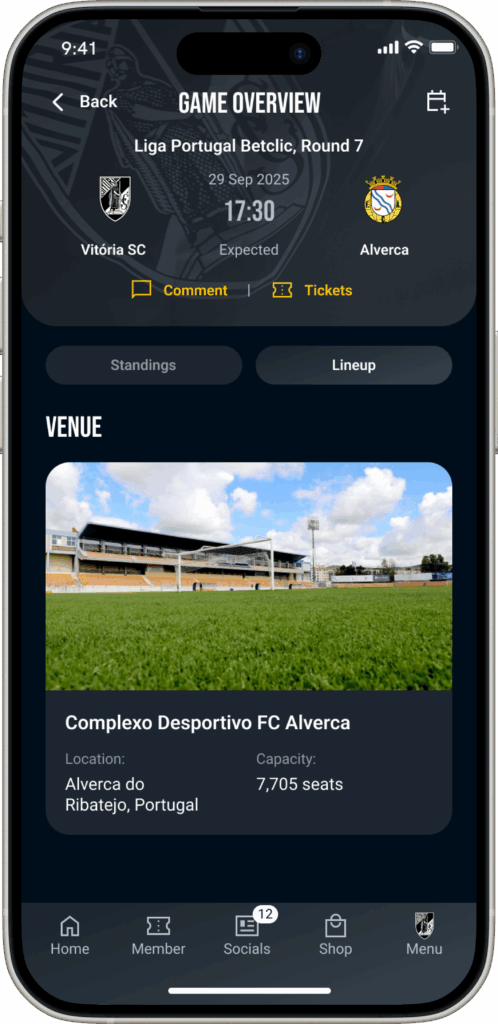
Vitória SC: A SuperApp Built for Daily Fan Connection
Vitória SC moved fast to bridge the gap between passion and participation. Partnering with Blocksport, the club launched a SuperApp and single sign-on system that unified ticketing, e-commerce, and communication channels. Fans now engage daily through gamification, MVP voting, and loyalty points exchangeable for real experiences.
Within days of launch, 5 000 fans registered — half the total user base of the old app — with 70 percent remaining active. Nearly half of all users are women, reflecting the inclusivity seen in Vitória’s matchday crowds.
Marketing Director Rui Xavier summed it up best: engagement has become a habit, not an event.
READ THE FULL STORY
Real Oviedo: Values That Drive Modern Growth
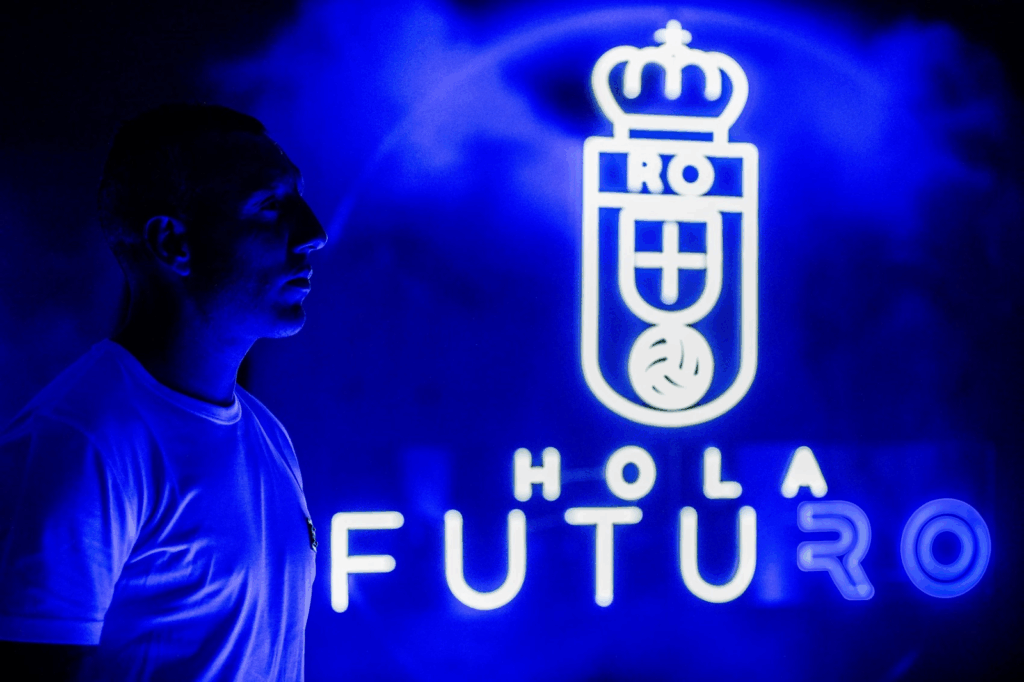
At Real Oviedo, Business Director Estela Caicoya has built a strategy where values guide every commercial move. After years working in Australia, she returned to Oviedo to lead a transformation rooted in authenticity and community connection.
Her focus blends local loyalty with professional structure: 48 percent of sponsors are local, balanced with national and international partners. Initiatives such as the Real Oviedo Business Club and the Hola Futuro campaign show how emotional storytelling and inclusive outreach can turn setbacks into lasting engagement.
Alongside a full stadium renovation and hospitality expansion, Real Oviedo is redefining what sustainable growth means for medium-sized clubs in Europe.
READ THE FULL STORY
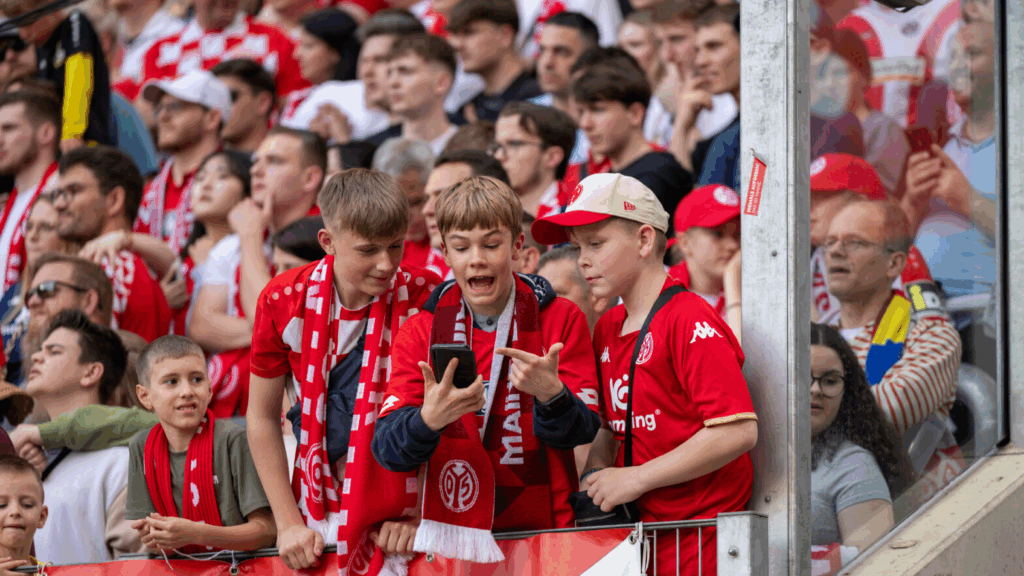
Mainz 05: Digital Transformation as a Continuous Process
Mainz 05’s NEXT05 programme is a masterclass in structure and purpose. The Bundesliga club launched 12 interconnected workstreams to modernise fan engagement, e-commerce, and data management.
Advisor to the Executive Board Wieland Schwarze built the approach around one principle: personalisation. From dynamic app modes to agile cross-department sprints, every step is shaped by real fan feedback.
Sponsorships, too, became more intentional. Partnerships now add value for fans — for example, replacing static branding with interactive experiences. Mainz 05 shows that digital transformation isn’t about hype. It’s about consistency, iteration, and relevance.
READ THE FULL STORY
VfL Bochum 1848: Giving Gen Z a Real Voice
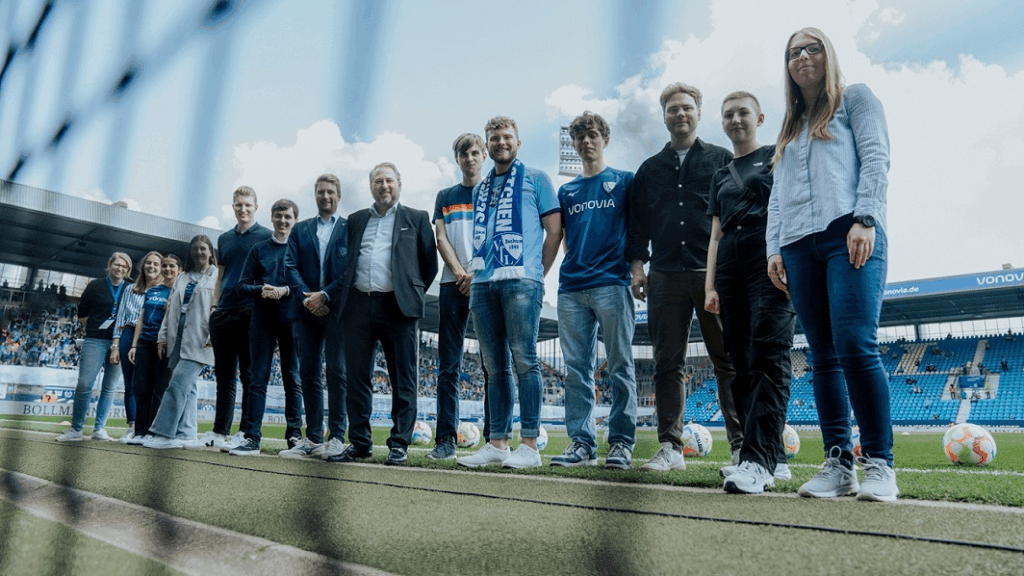
Through Beirat Zukunft — the Advisory Board of the Future — VfL Bochum 1848 handed real influence to fans aged 14–25. Twelve young members now collaborate directly with departments like marketing, merchandising, and CSR.
Their discussions range from sustainability and digital transparency to stadium accessibility. The initiative has already earned the Karl-Heinz Rummenigge Award and a nomination for the German Sustainability Award in Sports.
Leonie Hauptvogel, Project Manager for Sustainability, called it “a structure, not a campaign.” Bochum’s model shows that meaningful youth engagement requires trust and institutional access — not token gestures.
READ THE FULL STORY
Independiente del Valle: Football as a Force for Social Change
Independiente del Valle’s rise is one of football’s most inspiring stories. Once a small club outside Quito, it now leads South America in youth development and social responsibility.
Juan Pablo Ribadeneira, who works in the club’s marketing and communications department, explained how the organisation’s philosophy extends far beyond the pitch. At the Valley of Dreams academy, over 260 boys and girls live, study, and train under one roof. Education is flexible, personalised, and integrated with life skills. Even those who don’t turn professional leave with qualifications and purpose.
The club’s self-sustaining model reinvests every profit into facilities, education, and expansion — from new pitches to women’s football. Franchise academies now operate nationwide, building both revenue and long-term fan loyalty.
Ribadeneira’s words capture the club’s identity: a football organisation that views social progress and sporting success as part of the same mission. Independiente’s story proves football can serve as a social engine as powerful as it is competitive.
READ THE FULL STORY

Sparta Rotterdam: Leadership in Safety and Inclusion
Sparta Rotterdam demonstrated that innovation isn’t limited to digital transformation. The club’s proactive approach to stadium safety and fan wellbeing sets a benchmark for community-driven governance.
Public Affairs Manager Wesley van der Stam explained how Sparta turned regulatory compliance into an opportunity for leadership. From structural upgrades to partnerships with local authorities, safety became part of fan experience — not an afterthought.
Sparta’s example shows how even mid-size clubs can lead change by connecting operational detail with public trust.
READ THE FULL STORY

These stories highlight how football organisations approached progress in 2025 – through structure, consistency, and clear purpose.
They reflect the main focus areas shaping the industry today: digital transformation, fan engagement, sustainability, and strategic growth.
At FBIN, we continue to follow these developments and share practical examples that help organisations move forward in 2026.